03:50
Slide 1 of 5Slide 0:20
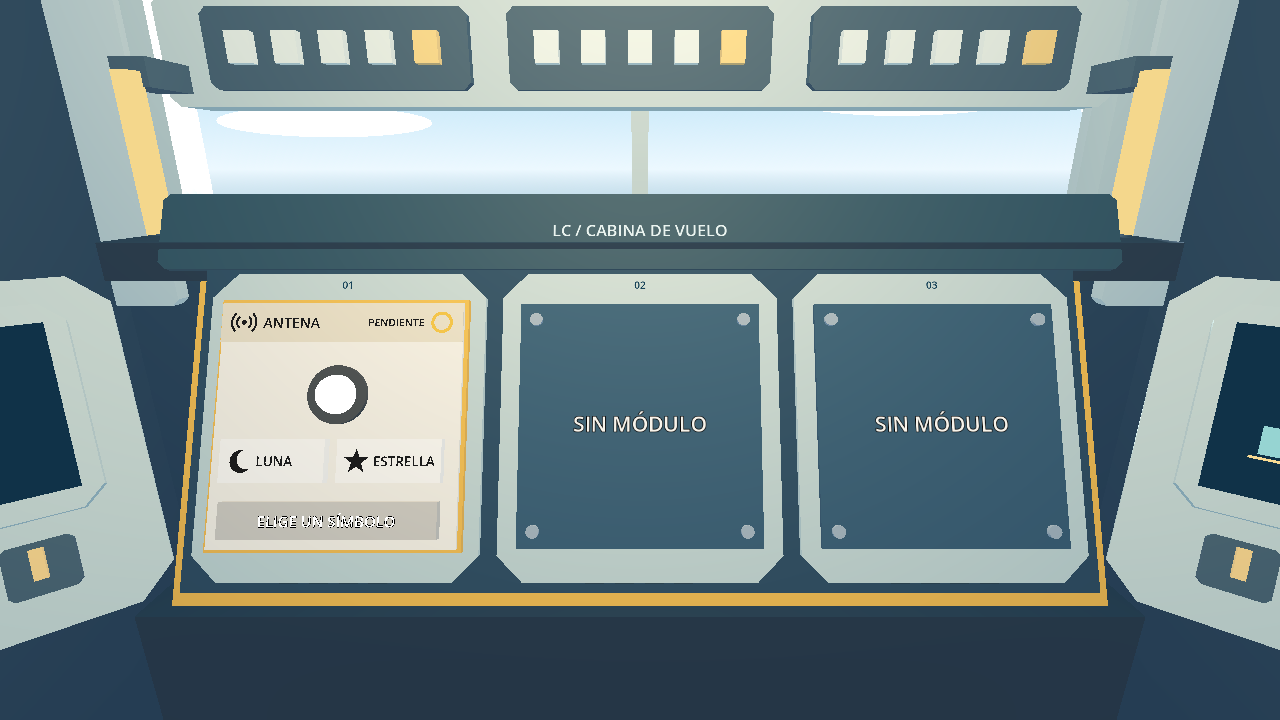
The astronaut's cockpit in the Launch Control prototype
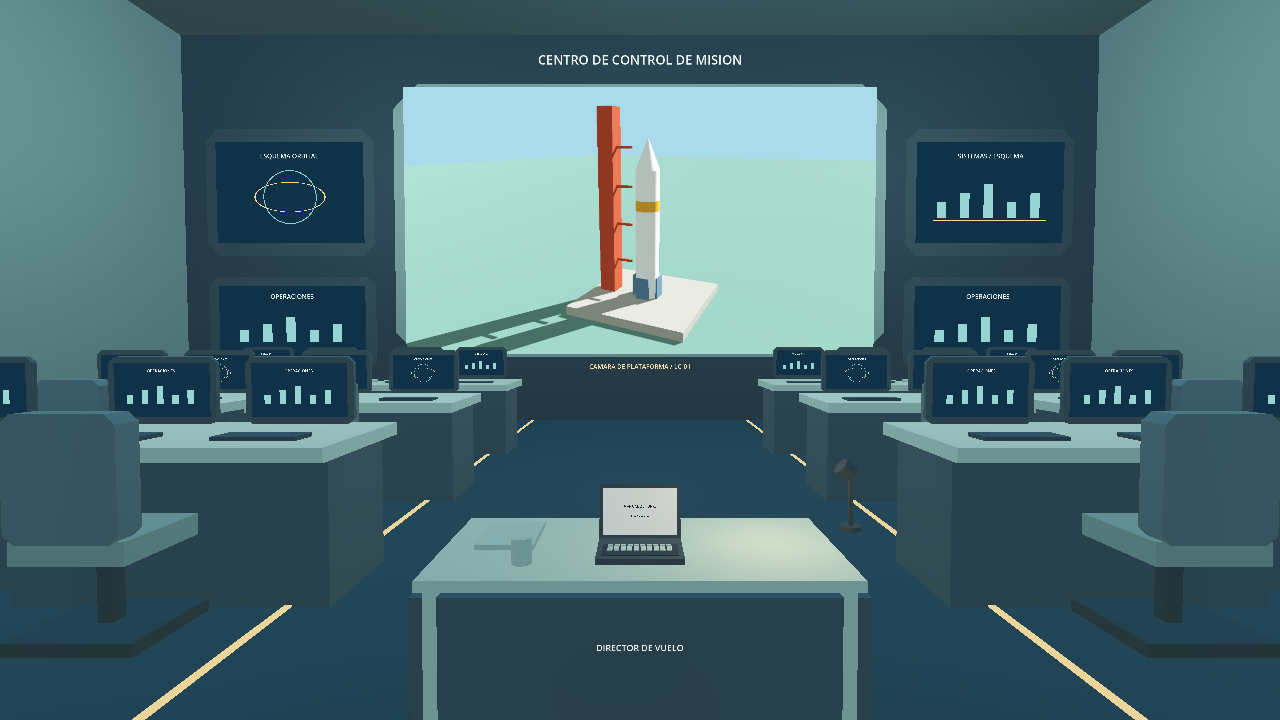
The mission control room in the Launch Control prototype
Astronaut Mission Control

Launch Control

Space Mission Design Game

Two roles. One shared mission.

Team sterlings NASA Space Apps Challenge 2026 · Ensenada, Mexico

  • Gael Flores Cañedo
  • Jorge Roel Vasquez Sanchez
  • Kevin Humberto Soto Ortiz
  • Israel Gomez Ahumada
  • Jorge Abraham Garcia Sojo
  • Adrian Balderas Rosas

Prototype captures · AI-assisted visuals

Understanding the Challenge

What NASA's material shows

  • Artemis II A crewed mission where the rocket and the spacecraft have distinct jobs.
  • Mission Control Center Specialized ground roles. One voice, Capcom, talks to the crew.
  • Rocket Systems Area Equipment is checked before it is trusted.
  • Missions, A to Z A mission directory and an alphabetical research index.
The problem we identified

Real missions require specialized teams, detailed procedures and crew-ground coordination.

We chose to make that information-sharing relationship something players can experience together.

What a newcomer needs

An approachable way to practice reporting clearly and acting on an instruction, together.

Our goal: make that coordination playable.

From Research to Gameplay

NASA research

Mission context, ground roles, and the habit of checking equipment before it operates.

Used as design reference. NASA information informs the design; the game uses original rules, not live telemetry.

Simplification
  • Dozens of specialists2 complementary roles
  • Long procedures2 tasks in normal mode
  • Mission timeline3 minutes in normal mode
  • Dense consolesFriendly module plates
Prototype

Godot 4.7.2 · GDScript · ENet

One player hosts and validates every action. Each role receives only its own view.

Astronaut Host Control
Testing

59.8–59.9 average FPS

Two local processes on one integrated-graphics laptop, 1280×720. Automated checks run on Windows and Linux.

Still pending: separate networks and tests with players.

AI assistance OpenAI Codex/ChatGPT and Anthropic Claude/Claude Code helped with code, scene design, checks and documentation. The team chose the direction and reviewed the result.

The puzzles and the countdown are game rules we wrote. They are not NASA procedures.

Our Solution: Two Roles, One Mission

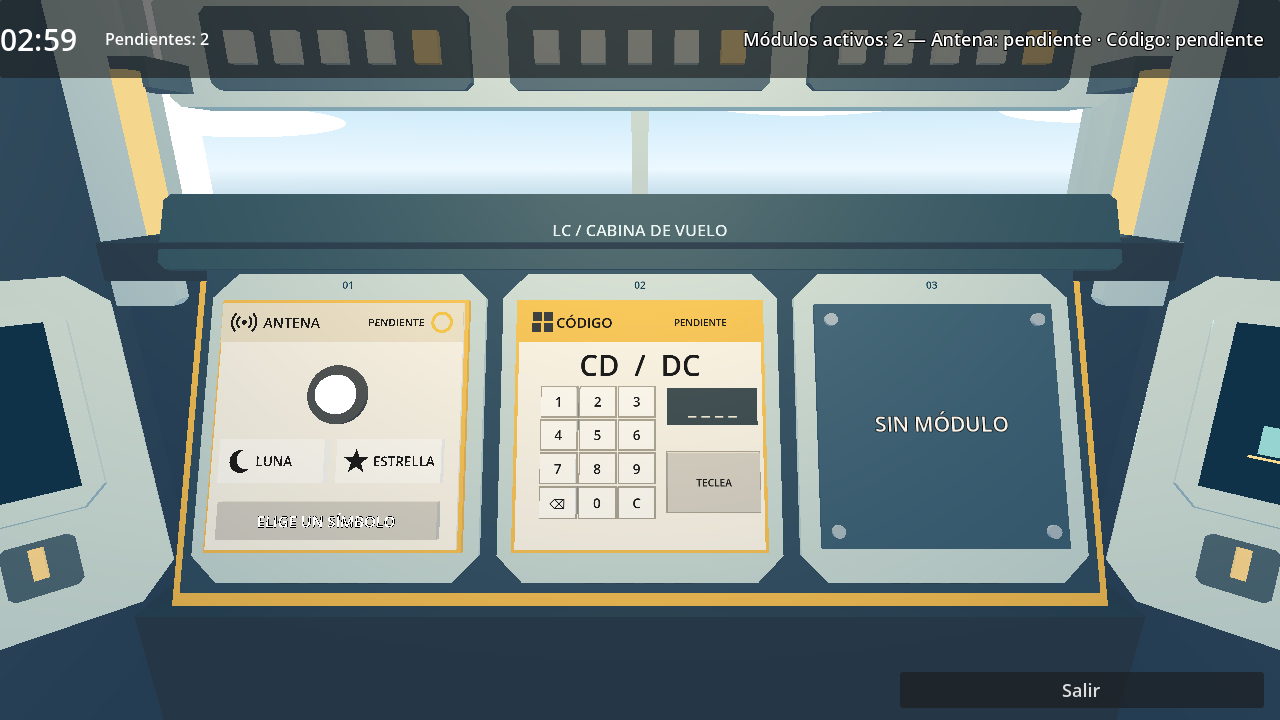
Cockpit view with the antenna and code modules Antenna light: fixed or blinking?
Astronaut Sees the panel and operates it. Has no manual.

“The antenna light is fixed.”

“Fixed light: select the Moon.”

Host validates. Antenna ready.

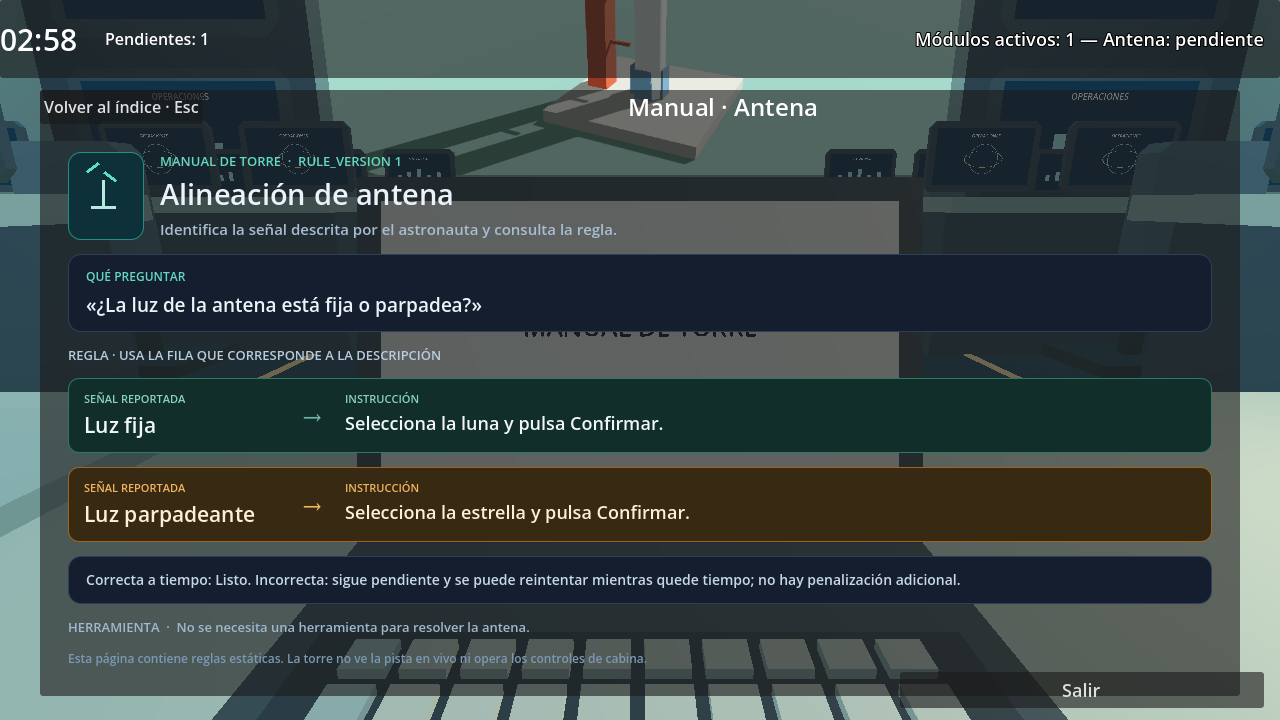
Mission control manual page for the antenna Fixed light → select the Moon Blinking light → select the Star
Mission Control Reads the procedure and gives the instruction. Cannot touch the panel.

Prepare → Observe → Communicate → Act → Receive feedback

Implemented in the prototype

Lobby and role selection · Easy and normal difficulty · Antenna and numeric-code modules · Manual and calculator · Shared countdown · Liftoff, timeout and interrupted outcomes

Proposed next

Tests with players · Play across separate networks · More modules · A packaged Windows build

What we expect players to take away: cooperation, clear communication, and a feel for how a mission is run. It is an educational adaptation, not an exact simulation.

Launch Control in Action

Prototype capture montage · Automated round · AI-assisted visuals

Play the English gameplay video.

0:00
0:28

Two roles. One shared mission. Download English gameplay · Project documentation (PDF)

Left / Right: steps · 1-5 slides · F fullscreen · T timer · R reset timer · P play/pause · ? help